Stormwater Drains Lower North Shore
A pit holding water, an overflowing downpipe connection or repeated yard ponding needs the inlet and downstream route checked. Rain-related symptoms do not all have the same cause.
Call Now0493 824 176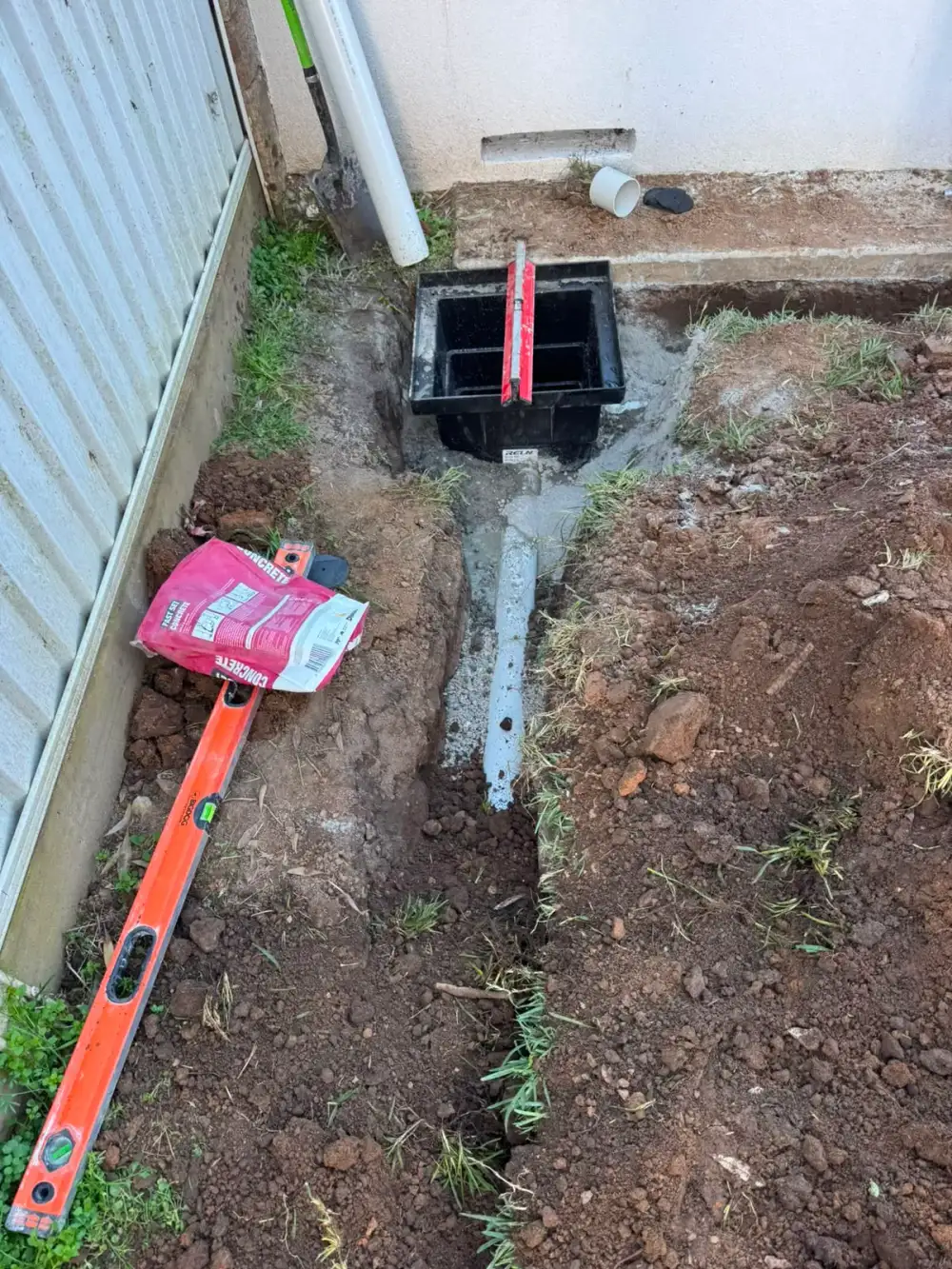
Signs You May Notice
- Pits remain full after rain
- Water backs up near downpipes
- Yard areas pond or overflow
- Silt repeatedly collects in the same point
Possible Causes
- Leaves, soil and sediment
- Root entry around joints
- Damaged or crushed pipe sections
- Inadequate fall or downstream restriction
Symptoms help guide investigation, but cannot confirm the cause on their own.
What to Do before the Visit
Stay out of floodwater and keep clear of electrical equipment and unstable ground. Do not lift heavy pit covers or enter a drain. Describe the water path from a safe position.
If water is near electrical equipment or ground is unstable, stay clear and explain the hazard when calling. Urgent calls are taken 24 hours, 7 days a week.
How Diagnosis Guides the Work
We separate a maintenance blockage from a layout or damage issue. Clearing may restore capacity, while camera and location work can show where a persistent restriction or failed section sits.
Wet extraction, pit cleaning or suitable jetting may remove leaves and sediment. A crushed pipe, inadequate fall or layout problem requires a separately assessed remedy. Clearing cannot increase a pipe beyond its design capacity.
Flow is checked after suitable clearing or repair. Maintenance advice and any remaining structural issue are explained separately.
Tools and Materials
- Drain jetter with suitable nozzles
- CCTV camera and electronic locator
- Wet extraction and pit-cleaning tools
- Repair materials selected for the existing line
The operator selects the equipment for the obstruction, pipe condition and safe access. The most forceful method is not always appropriate.
Access Planning for Your Drain
Mosman terraces and Cammeray retaining structures need careful attention to levels and access. Lane Cove garden pits can collect leaf litter, but the downstream pipe still needs checking when surface cleaning is not enough.
See the full Lower North Shore coverage guide. Current coverage is confirmed by full street address.
Related Drainage Guidance
High-Pressure Water Jetting
Targeted water jetting to cut through suitable grease, roots, silt and built-up drain deposits.
Read the guideCCTV Drain Inspections
See inside accessible drainage lines to locate roots, damage, displaced joints and recurring restrictions.
Read the guideDrain Repairs
Targeted excavation and pipe replacement when clearing reveals a broken, displaced or failed drain.
Read the guide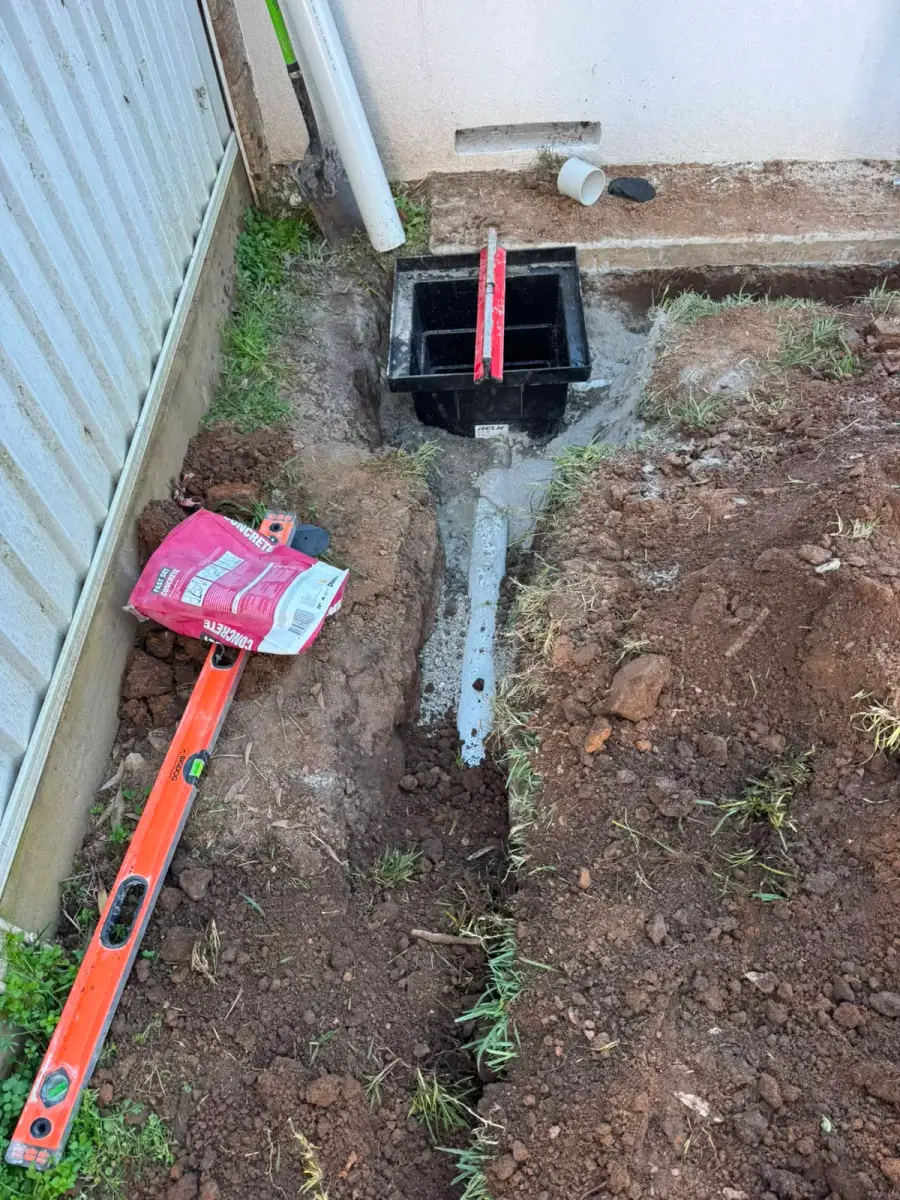
Separate a Blockage from a Drainage Layout Problem
Does the pit stay full after rain, or does water miss the inlet and collect elsewhere?
Leaves and silt can obstruct an otherwise usable line. Water may also collect because of surface levels, pipe damage or a restricted outlet. A photograph taken safely during rainfall can help explain the pattern.
How the Finding Changes the Work
Removing deposits addresses a maintenance blockage. Persistent ponding after clearing needs investigation of the route, levels and outlet before further work is proposed.
Meet the Team behind the AssessmentAfter the Immediate Problem Is Resolved
A useful result includes knowing what to watch for next.
Day-to-Day Care
Keep accessible surface grates free of loose leaves and debris. Arrange professional help for heavy covers, deep pits and deposits that cannot be reached safely.
When to Call Again
After rain, note where ponding remains and how long it lasts. Do not enter floodwater or open pits to investigate.
Stormwater Drains Questions
Why does a pit remain full after rain?
Sediment, roots, a restricted outlet or a damaged line may prevent discharge. The inlet and downstream route need checking.
Is water beside a retaining wall a drain blockage?
It may have several causes. Keep away from unstable ground; a drainage assessment does not replace assessment of the wall itself.
Can jetting fix a stormwater layout problem?
It can remove suitable obstruction but cannot change inadequate fall or a failed layout. Those findings need a separate scope.
Should sewer and rainwater enter the same line?
They should be treated as different systems during diagnosis. Report any suspected cross-connection for professional assessment rather than attempting to change it.
Talk through Stormwater Drains
Call with the full address, symptoms and urgency so current coverage and the next available response can be confirmed.