CCTV Drain Inspections Lower North Shore
A camera can show the condition of accessible pipework and help explain a recurring blockage. It is a diagnostic tool, with useful results dependent on access and visibility.
Call Now0493 824 176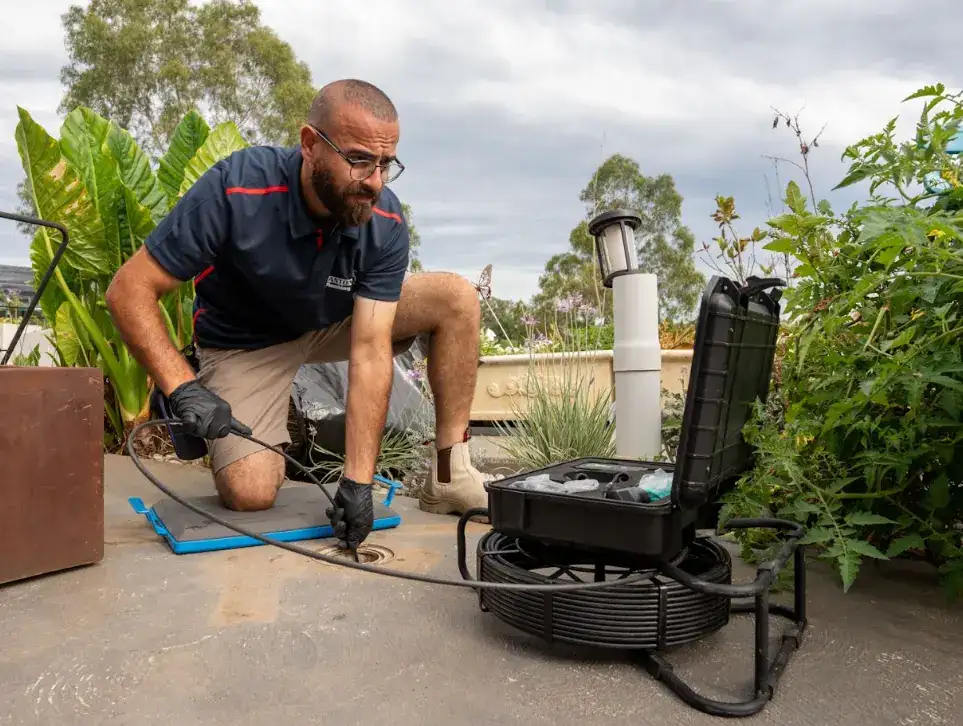
Signs You May Notice
- A blockage keeps returning
- The clearing point is uncertain
- Roots or structural damage are suspected
- A targeted repair needs accurate location
Possible Causes
- Cracks or open joints admit roots
- Pipe sections move or collapse
- Foreign objects remain in the line
- A low section holds debris and wastewater
Symptoms help guide investigation, but cannot confirm the cause on their own.
What to Do before the Visit
Keep previous reports and drainage plans ready, but do not open covers or enter confined spaces. Stop connected water use if the line is overflowing.
If water is near electrical equipment or ground is unstable, stay clear and explain the hazard when calling. Urgent calls are taken 24 hours, 7 days a week.
How Diagnosis Guides the Work
A camera is most useful after access and flow are established. We guide it through the accessible line, interpret what is visible and use a locator where needed to relate the internal finding to the property.
CCTV does not clear a blockage. Standing wastewater, bends, diameter changes and collapsed sections can limit inspection. A locator may help relate a visible fault to the surface, subject to signal and access conditions.
Flow is checked after suitable clearing or repair. Maintenance advice and any remaining structural issue are explained separately.
Tools and Materials
- Self-levelling CCTV camera head
- Recorded inspection monitor
- Electronic sonde locator
- Measurement and marking equipment
The operator selects the equipment for the obstruction, pipe condition and safe access. The most forceful method is not always appropriate.
Access Planning for Your Drain
Wollstonecraft garden slopes and Greenwich long runs can benefit from relating camera findings to surface locations. In Chatswood buildings, plans and service-area keys help establish which branch is being inspected.
See the full Lower North Shore coverage guide. Current coverage is confirmed by full street address.
Related Drainage Guidance
High-Pressure Water Jetting
Targeted water jetting to cut through suitable grease, roots, silt and built-up drain deposits.
Read the guideTree Root Blockages
Remove intrusive roots, identify the entry point and explain repair options for the damaged drain.
Read the guideDrain Repairs
Targeted excavation and pipe replacement when clearing reveals a broken, displaced or failed drain.
Read the guide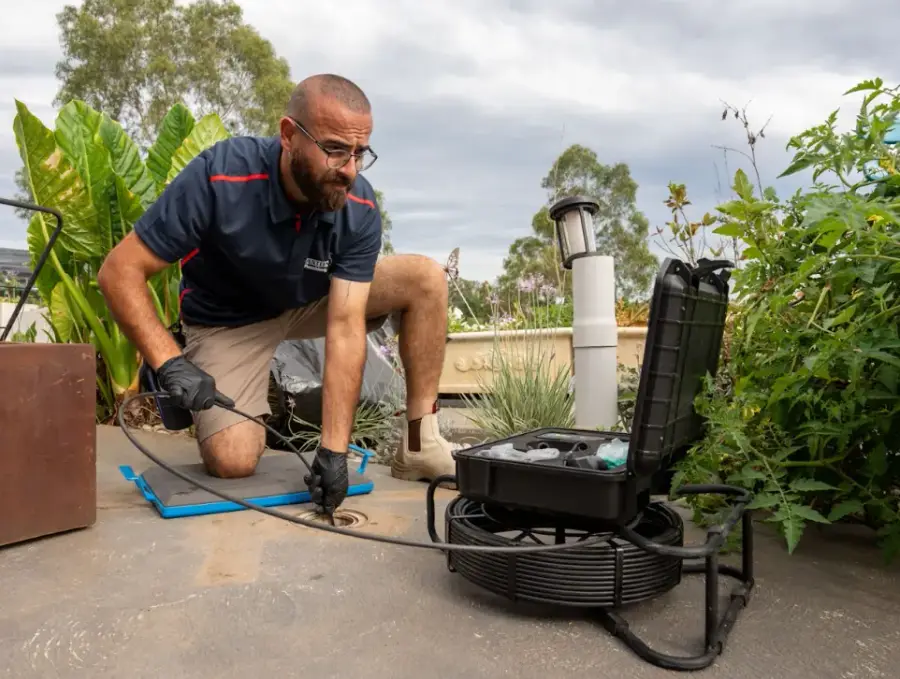
Understand What the Camera Can Show
Can the camera reach the section, and is there enough visibility to interpret it?
Standing water, debris and tight bends can limit the view. An inspection describes the accessible section; a hidden or unreachable part of the drain should not be treated as confirmed sound.
How the Finding Changes the Work
A visible defect becomes more useful for repair planning when its location can be related to the surface. Access, approximate depth and nearby structures then help define the next step.
Meet the Team behind the AssessmentAfter the Immediate Problem Is Resolved
A useful result includes knowing what to watch for next.
Day-to-Day Care
Keep any inspection material you receive with your property records. Ask which sections were inspected, what was visible and whether any part remained inaccessible.
When to Call Again
If the symptoms change, provide the earlier findings and identify any recent building or drainage work. A previous inspection is a reference, not a guarantee against future faults.
CCTV Drain Inspections Questions
Can a camera see through standing wastewater?
Visibility may be limited or absent. Suitable clearing may need to happen first, depending on the accessible section.
Will the camera clear the blockage?
No. Inspection and clearing are different tasks. A camera helps identify visible conditions rather than remove an obstruction.
Can every defect be located precisely from above?
A detectable camera position can guide locating, but depth, interference and access affect the result. Limitations should be explained.
Should I keep earlier inspection footage?
Yes. It can provide useful history and help compare a known location with the current findings.
Talk through CCTV Drain Inspections
Call with the full address, symptoms and urgency so current coverage and the next available response can be confirmed.