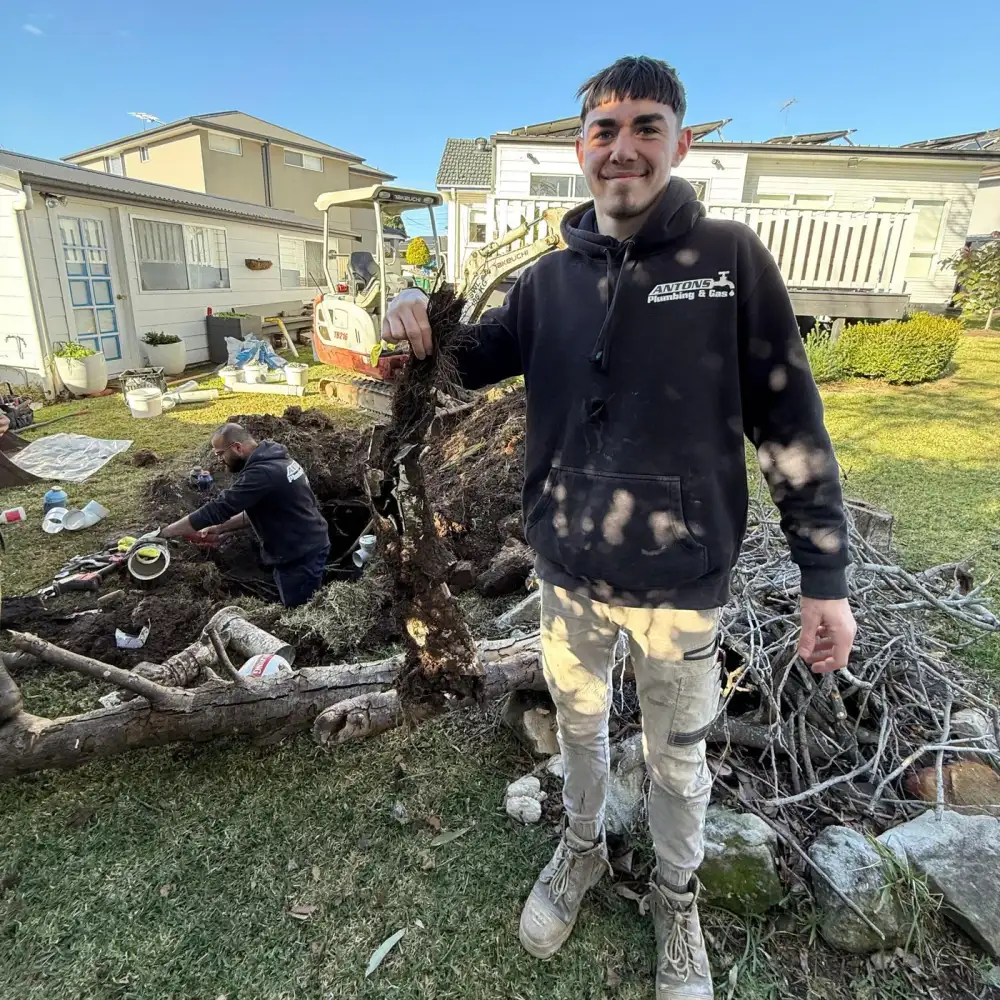
A recurring blockage at a Lane Cove home deserves more than another attempt at the nearest waste. On a leafy or sloping block, the affected section may be behind the house and difficult to reach without planning.
Roots may enter a defective joint, while soil and leaves can restrict stormwater pits. Separate sewer symptoms from rain-related ponding: these involve different systems even when they appear in the same yard.
Tell us about rising toilet water, slow wastes, gurgling, overflowing gullies or pits holding water. One affected fixture may have a local restriction; several affected fixtures can point further along the connected line.
Plan Access before the Visit
Describe rear-yard access, side-gate width, steps and retaining walls. Secure pets and share the position of visible inspection openings.
Longueville Road is a local orientation reference. Give the full street address and actual entrance when booking; a landmark does not identify your drainage or access.
Current coverage is confirmed by full street address. Call with the symptoms and urgency to confirm the next available response.
Diagnosis before a Clearing Method
After establishing the line and safe opening, the plumber clears suitable deposits and considers CCTV with locating for repeated faults. This helps explain a possible repair before disturbing a finished garden.
Restoring flow and repairing a defect are separate tasks. Where damaged joints, poor fall or a failed section are found, the evidence and proposed repair scope are explained before agreement.
Safe First Actions
Stop using fixtures connected to a backing-up line.
Keep people and pets away from wastewater.
Avoid chemical cleaners and tell the plumber about products already used.
Stay clear of water near electrical equipment, unstable ground and heavy pit covers.
Urgent calls are taken 24 hours, 7 days a week. Do not enter a pit or confined space to investigate.
Planning considerations include leafy residential blocks, apartments and sloping gardens. Your property's actual layout matters more than its postcode. Tell us which openings are accessible and whether another household or business shares the affected line.
Identify the route from the entrance to the affected drain. Mention steps, locked gates and anything that limits working space. Keep existing drain plans or previous camera findings available if you have them.
Before a Repair Is Agreed
Ask where the suspected fault is, what supports that finding and whether any section could not be inspected. Discuss access, the repair extent and reinstatement together.
Before Normal Use Resumes
Ask what the flow check showed and whether a defect remains. Keep any follow-up recommendations with your property records, especially when a shared drain is involved.
Questions That Help Explain the Diagnosis
These are starting points for the assessment, not a diagnosis of every property in Lane Cove.
Separate a Blockage from a Drainage Layout Problem
Does the pit stay full after rain, or does water miss the inlet and collect elsewhere?
Removing deposits addresses a maintenance blockage. Persistent ponding after clearing needs investigation of the route, levels and outlet before further work is proposed.
Can the camera reach the section, and is there enough visibility to interpret it?
A visible defect becomes more useful for repair planning when its location can be related to the surface. Access, approximate depth and nearby structures then help define the next step.
Does a leafy garden prove roots are blocking the sewer?
No. Trees are context, not a diagnosis. Camera evidence or recovered material is needed to identify root intrusion.
Can the drain be inspected without digging through the garden?
A suitable existing opening may permit camera inspection and locating. If access is absent, the plumber explains the options first.
What if equipment cannot pass the side gate?
Give the clear width, steps and route length. Do not dismantle fencing before the equipment approach is agreed.
Why is a stormwater pit full after leaves are removed?
The connected line may contain sediment or roots, or the outlet may be restricted. Surface cleaning does not confirm downstream capacity.
What should I prepare for a Lane Cove drain call?
Describe rear-yard access, side-gate width, steps and retaining walls. Secure pets and share the position of visible inspection openings. Share the full Lane Cove address, symptoms and urgency so current coverage and the next available response can be confirmed.
What if wastewater overflows at my Lane Cove property?
Stop using connected fixtures and keep people and pets away. Avoid chemicals and do not lift heavy drain covers. Urgent calls are taken 24 hours, 7 days a week. Explain the affected area and safe-access restrictions.
Nearby Locality Guides
Different streets and building types can need different access arrangements.